The Vitals
Accommodations: 9 nights camping, 1 night hotel
The Trip
Looking ahead to the next section of our road trip after a housesit in Brisbane, we could see that camp options were going to get rarer. Our route would take us west of Brisbane to Roma before heading north through Carnarvon Gorge NP and then angle mostly northeast to the coast at Bowen. Much of this route is technically the outback but the landscape wasn’t as dry or desolate as it becomes further inland. Still, towns were small and far apart, roads were straight and inhabited by road trains, and coal mines were one of the most common features on the map.
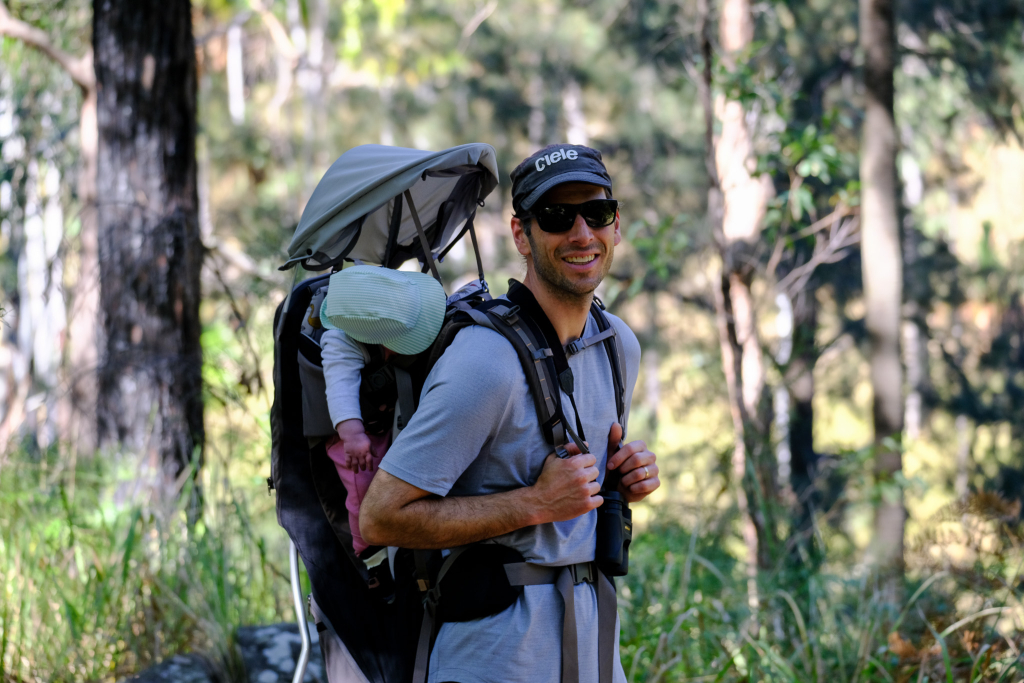
With a baby in tow and few landmarks to stop at each day, our itinerary became predictable: drive about two hours to a small town, let the baby play on the ground for two hours, drive another hour or two before stopping for the night. With only 3-4 hours of driving time available per day, it took us three days to reach Carnarvon Gorge and another three days to reach the coast.
Our first night was spent at Chinchilla weir campground administered by the small town of Chinchilla. By donation only, this spot was clearly well-known and nearly full on a Sunday night. The drive had passed through a surprising amount of cotton farming with tufts wafting around the ditches beside the highway. Most other campers have large trailers, require powered sites, and are over 60 years old. We talked to a lot of our camp neighbours here and were introduced to the term “Grey Nomad” – retirees that wander around the country in their caravans. One guy was quite a good bird photographer and sprayed me down with bird beta for the area. Just like Springbrook and Harding’s Paddock, Chinchilla weir is a birding destination and gave us some good looks at large water birds like pelicans and egrets.
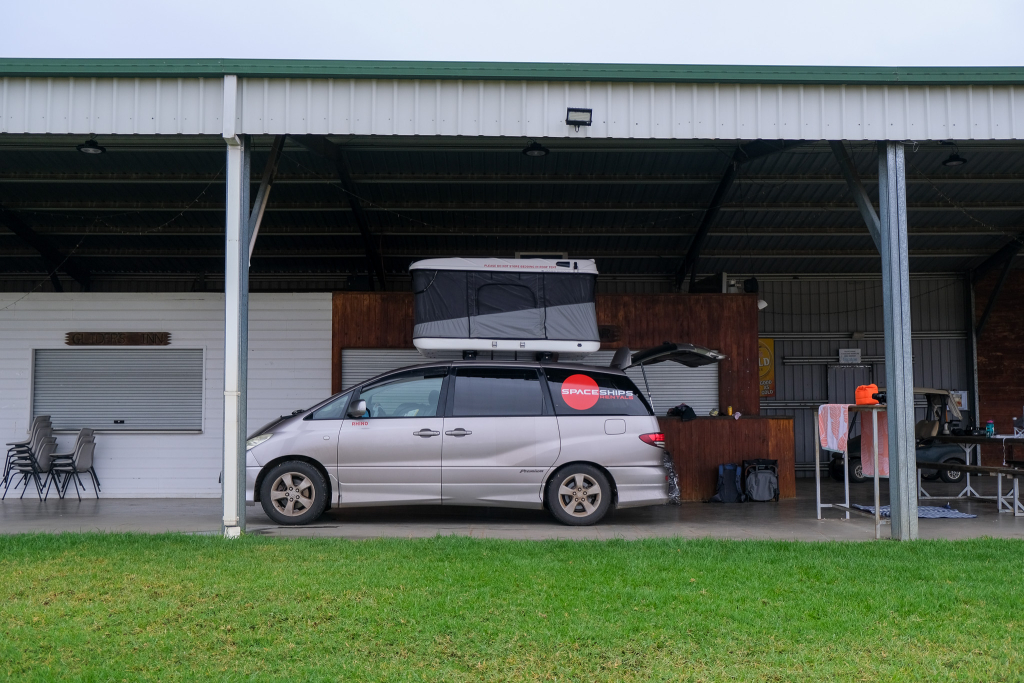
After leaving Chinchilla weir, the weather took a turn and poured rain for the next 24 hours. We drove to the town of Roma in the rain, let the baby play in the tourist information center for two hours, then continued to the tiny town of Injune. Arriving at the horse-racing track/community campground, we talked to the caretaker about our camping options. Typically the options are powered sites in a field with no cover or unpowered sites in a field with no cover. However, he took pity on us and allowed us to drive the van inside the covered bar area and camp on the concrete floor. The rain didn’t let up as we watched wallabies in the fields before hundreds of frogs came out in the evening.
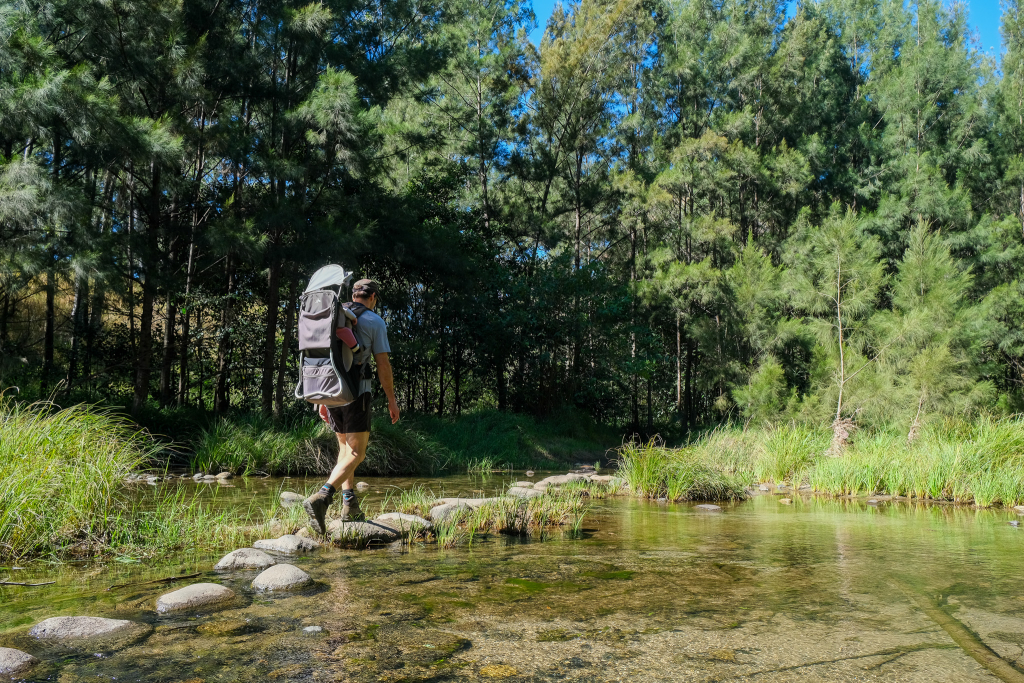
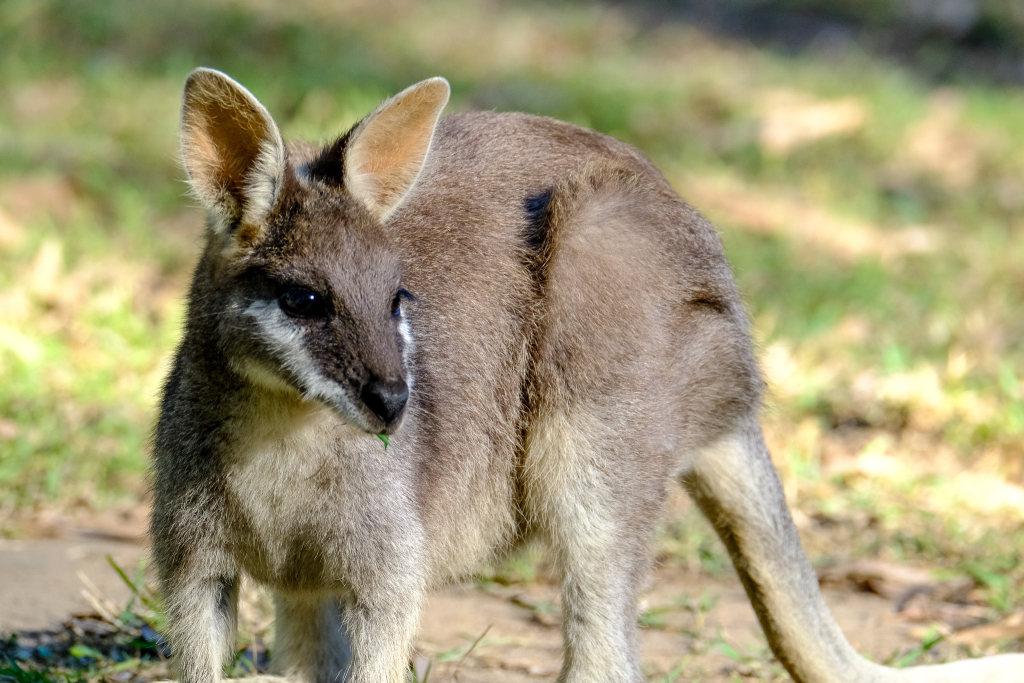
The next day we drove to Carnarvon Gorge in one stint and the weather turned sunny. About 40 km off the main road and with no camping inside the park, we were registered for three nights at one of the holiday parks just outside the park boundary. After being assigned our site and checking out some aptly-named pretty-faced wallabies, we scoped the platypus viewing areas along the river. Before we left Canada, we had been looking forward to Carnarvon Gorge for the chance to see a wild platypus. Over the next few evenings and mornings, I spent about 5 hours on the river banks before being rewarded the last morning with a brief encounter as a platypus swam upriver just before dawn. While I had a pretty good look, it was too dark for any photographs and the animal didn’t stick around for long. The 4 hours 59 minutes and 30 seconds that I spent on the river bank without a platypus for company were not wasted either as I also got to see another Azure Kingfisher and hundreds of raucous flying foxes skimming the surface for a drink.
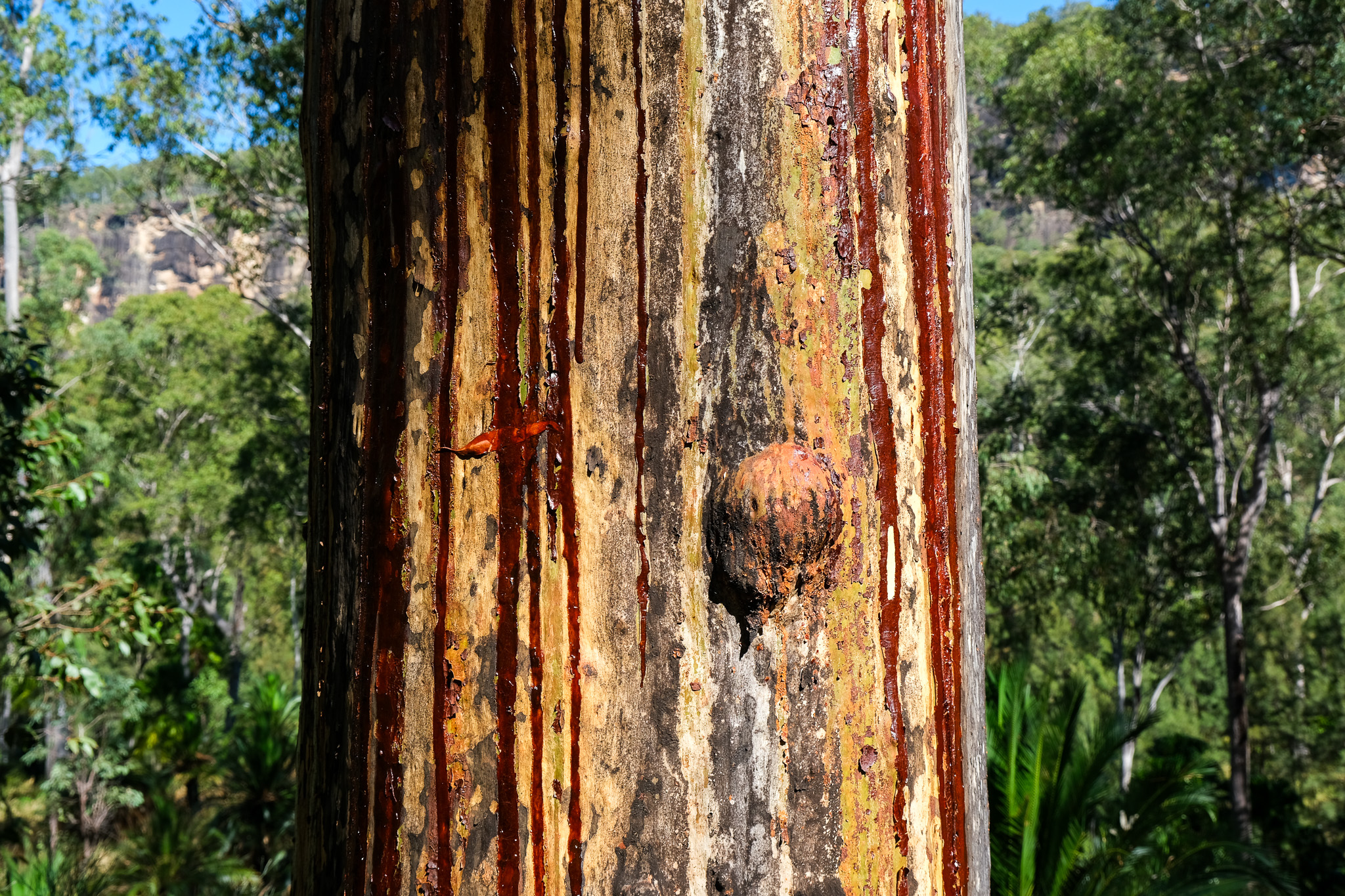
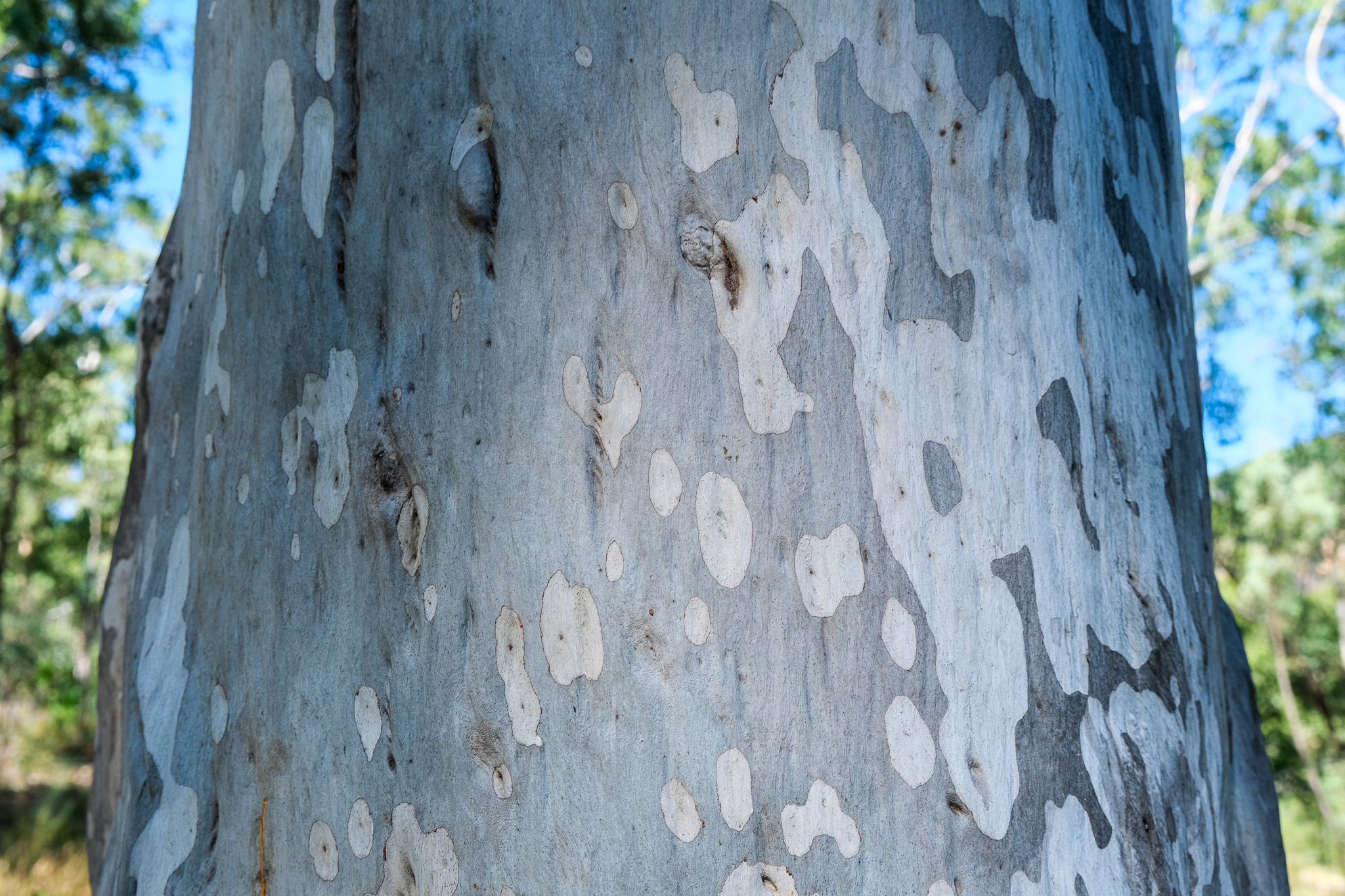
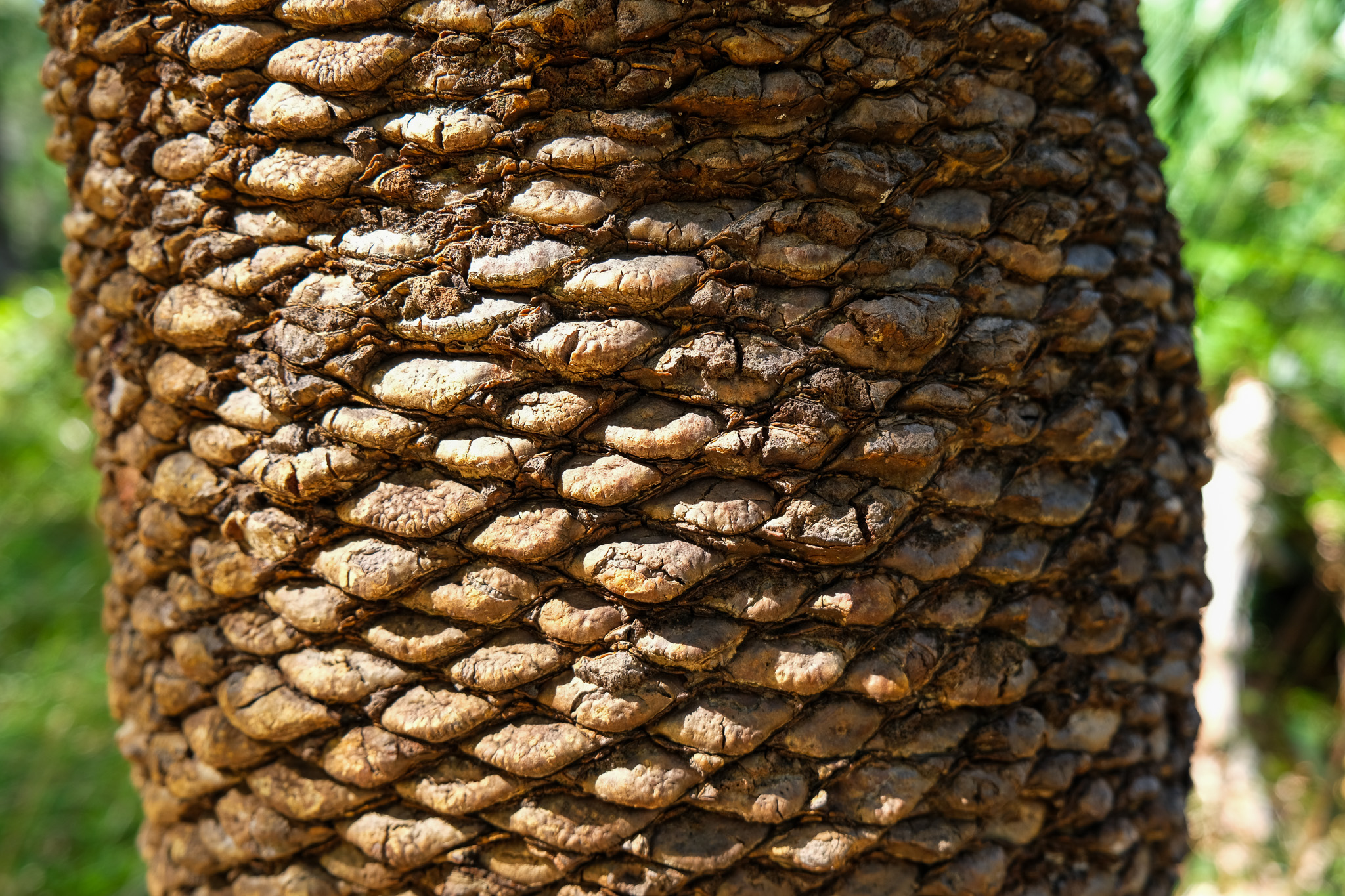
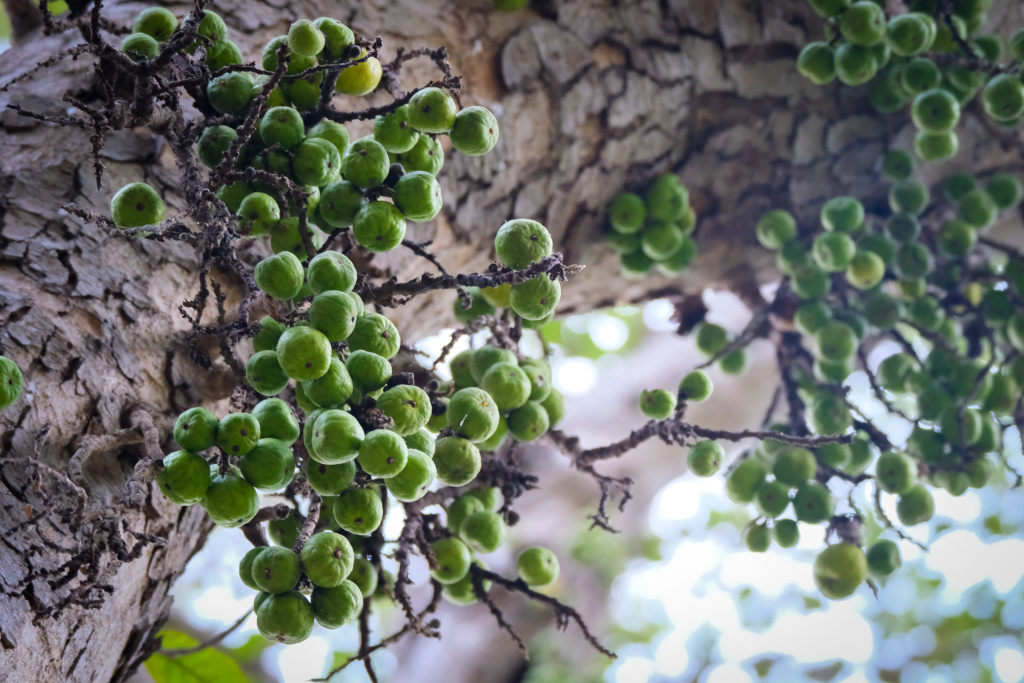
Our days at Carnarvon were spent hiking in the dry canyon. All hikes start at the river at the mouth of the canyon. Our first hike was Boolimba Bluff which follows a rocky gully up to the cliffs of the canyon edge. It was windy at the lip of the canyon with sunny views far into the distance. The forests in general were drier than expected with a lot less wildlife evident but we did see some new birds (striated pardalotes and wedge-tailed eagles soaring far overhead). The second day we hiked further into the canyon and across stepping stone paths over the river to the natural amphitheater. Carved out of softer sandstone by many years of swirling water beginning with an incipient crack, the walls of the amphitheater are near vertical and are much taller than the width of the space.
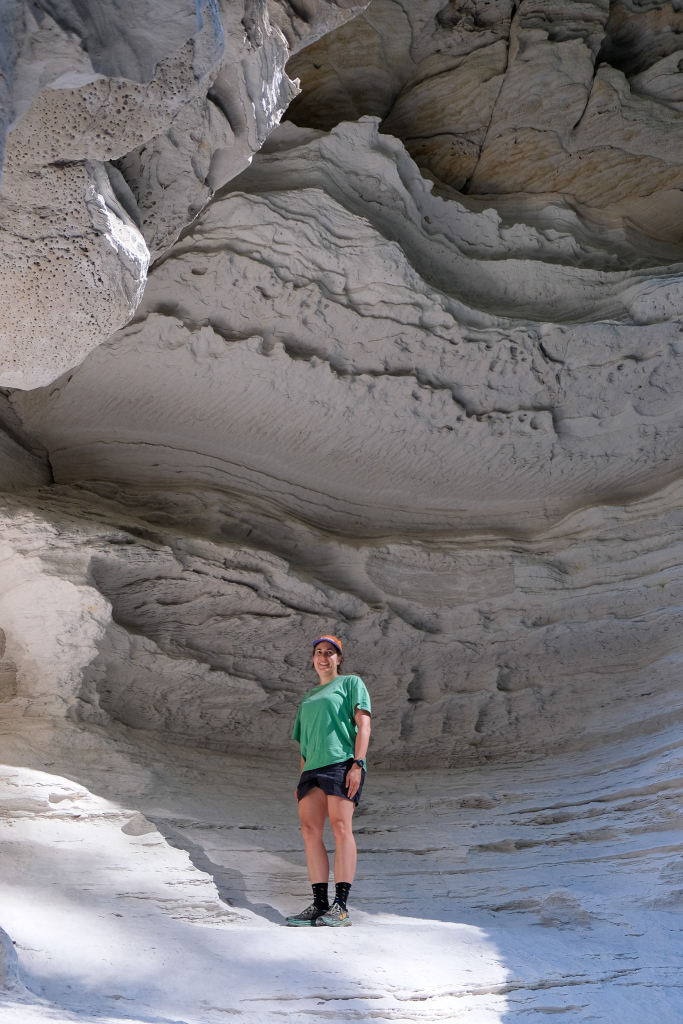
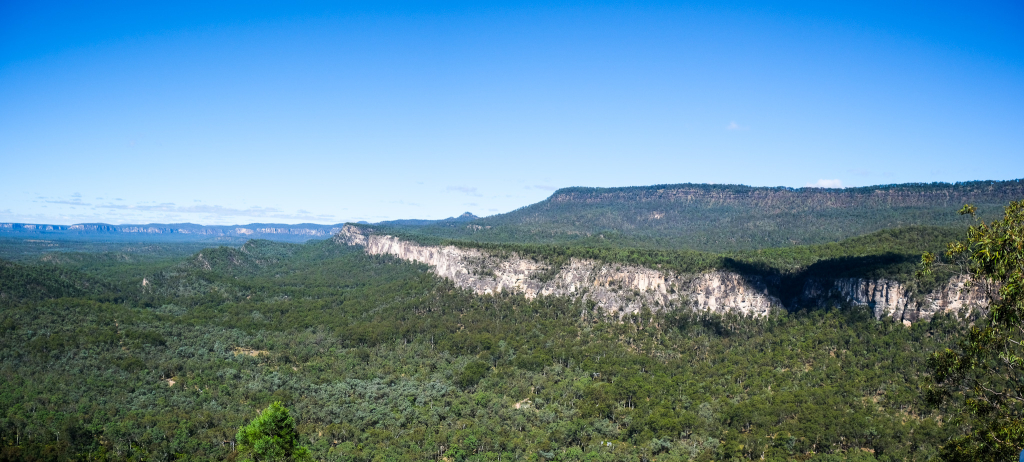
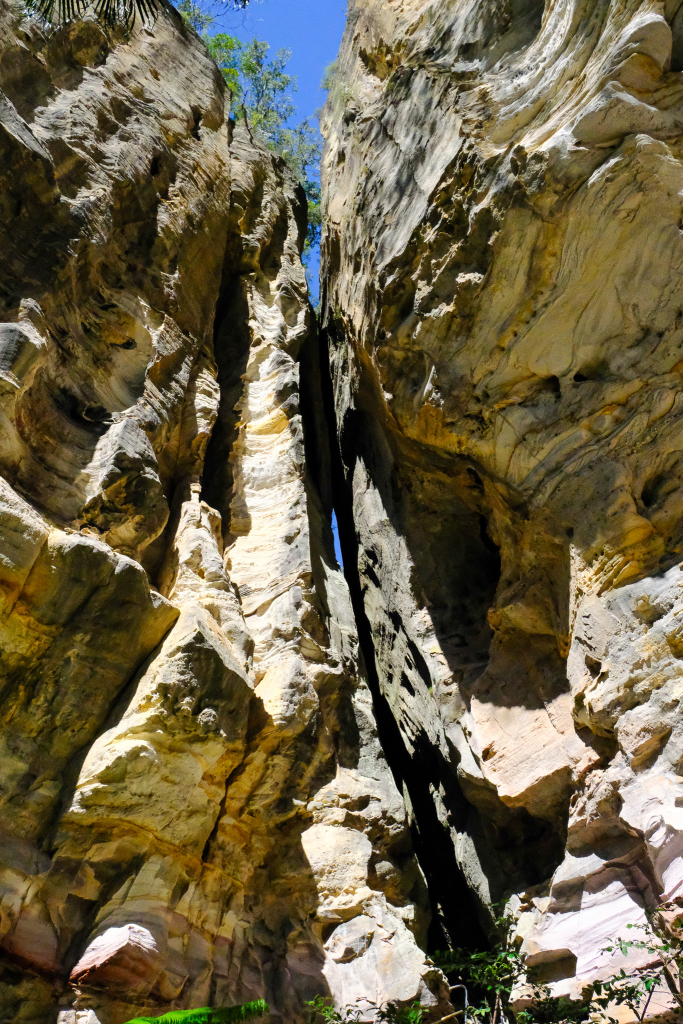
An exciting 24 hours of wildlife began the evening of our final night at the gorge. Beginning with a nocturnal wildlife tour where I saw yellow-bellied gliders silently sailing overhead between the trees and greater gliders quietly munching eucalyptus, then continuing with yelping dingoes and one trotting past our van in the campground. In the morning I spotted the aforementioned platypus and on our return to the main highway, we saw our first group of wild emus. A great cap to this section before a few days’ drive out to the coast. Unfortunately we were never able to photograph emus as they were always spotted in fields next to a highway with no shoulder to stop on.
After five nights of camping, we took a hotel in Emerald after a day of driving on deserted roads. We did all of our laundry and planned the next few nights. Between Emerald and the coast there was really only one official place to camp so the next day we set off on our longest driving day of the trip to reach Lake Elphinstone recreation area. Lots of monotonous driving after leaving Emerald, we reached this uncommonly large natural lake. Not particularly close to any town, the lakeshore is a popular free camping and day use area with no defined sites but a long, wide strip of mown grass on the lakeshore to find your spot and new toilet facilities. The facilities seem to be funded by a nearby mine in Glenden and the camping was free.
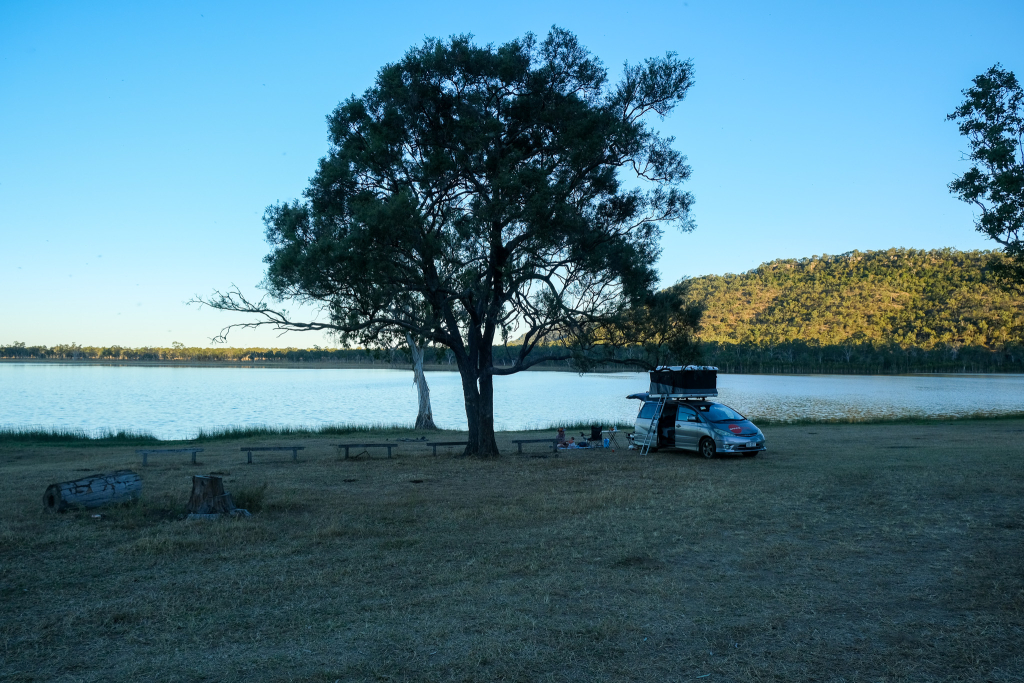
The lake is not that nice for swimming, but the stars were spectacular with a few streaking shooting stars and constellations we are unfamiliar with. It was a very still night and music carrying from hundreds of meters away kept us awake until after 2:00 am but still a beautiful spot for a night or two.
From Lake Elphinstone we were just a few hours drive to Bowen but I would be remiss not to mention our stop in Collinsville. Another mining town of about 1500 people, Collinsville has a small waterpark in the middle of town. It was a hot afternoon when we stopped and were surprised to see the unattended waterslides and water features that are free and open for use. After taking advantage and getting the baby’s wiggles out, we continued the drive which now dropped a surprising amount of elevation and introduced small mountains for the first time in days. Traveling with a baby confers some advantages as we got a choice site at the holiday park administered by the local town council that would give us more protection from the sun.
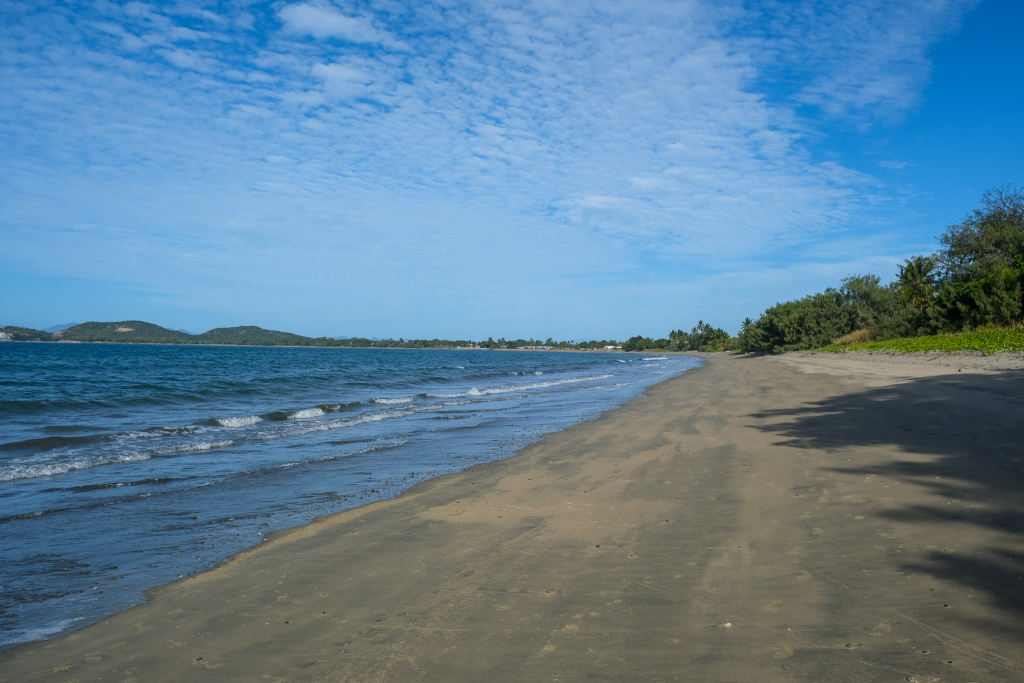
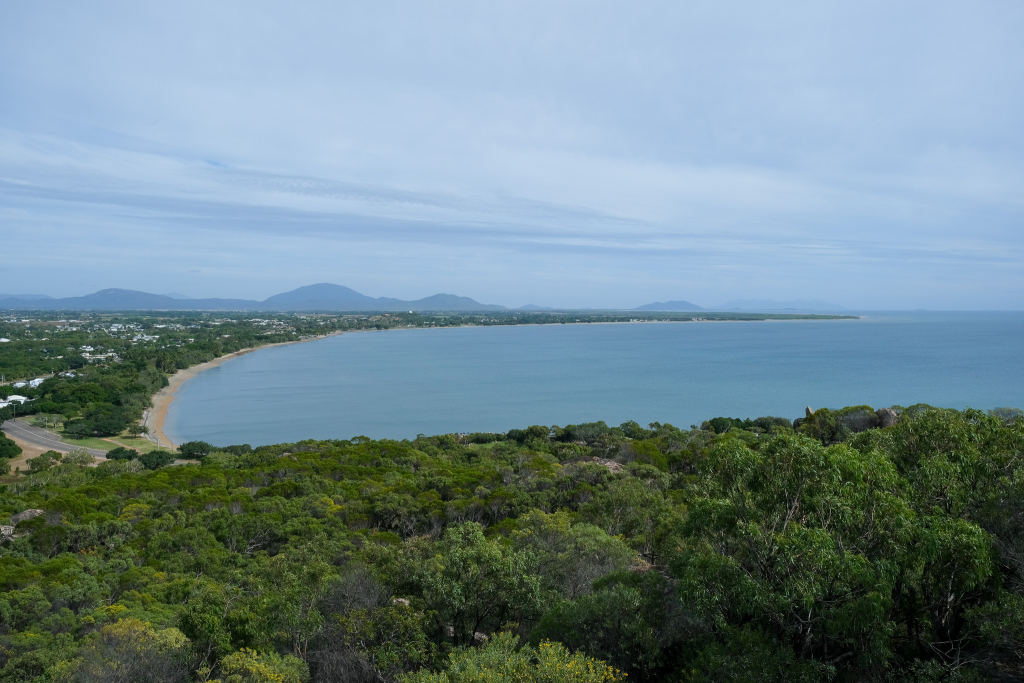
We had heard Bowen was a quieter beach destination than some of the large, popular towns further south like Airlie Beach. This turned out to be true as we spent three nights swimming in the holiday park pool, exploring the town by bus, and swimming at some of the beaches like Horseshoe Bay. We were staying at the holiday park adjacent to the 5 kilometer long Queens Beach and spent the first afternoon strolling down and up remarking on the difference a few hours drive can make in landscape and weather. We were now far enough north that the risk of saltwater crocodiles, sharks, and jellyfish has to be accounted for but these beaches are considered generally safe at this time of year. While swimming with just some swim goggles at Horsehsoe Bay, I could see many fish and coral including a blue-spotted ribbontail ray.
Our final night in Bowen we were headed to make quesadillas on the BBQ when we spotted a Tawny Frogmouth (a weird-looking nocturnal bird, see gallery below) in one of the trees. We got some good photos before continuing our evening with swimming and watching a fiery sunset. Bowen had provided us with ample opportunity for beach activities in idyllic weather but it had one more treat when Brittany went by the camp office on the last morning to ask about some lost sunglasses. Outside the office there was a pair of Red-tailed Black Cockatoos eating nuts. They are a big impressive bird, standing on one leg as they hold a nut in their lifted foot to open with their beak. This was our only sighting of this bird and a nice send-off before we headed north out of town to Townsville and our next leg of the journey.
Birds and Wildlife
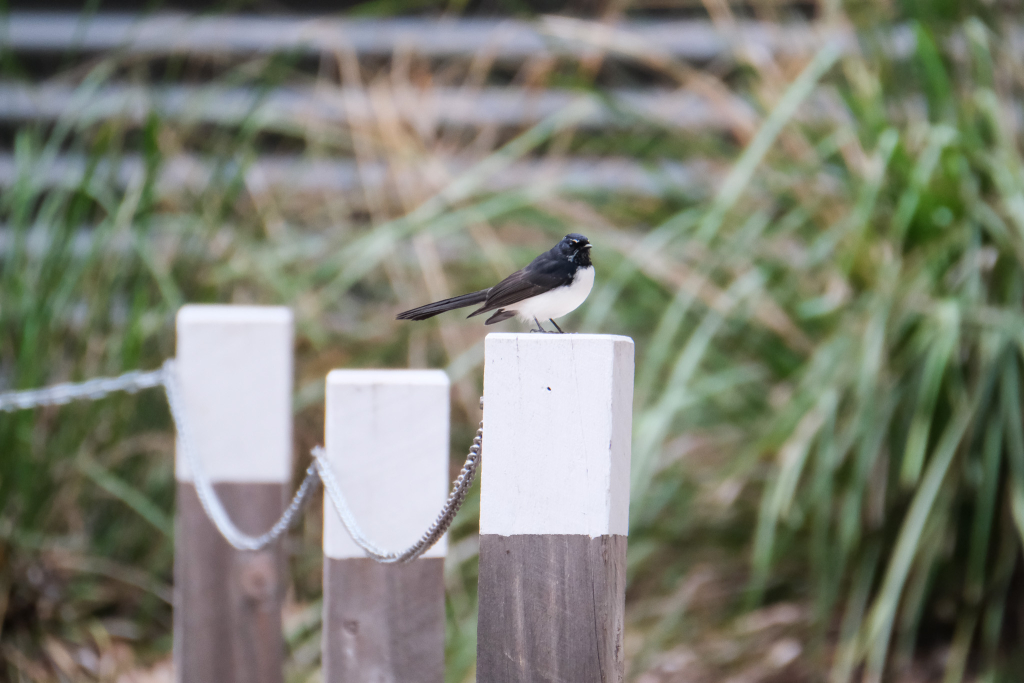
Here are the best bird photographs from this section of the trip.
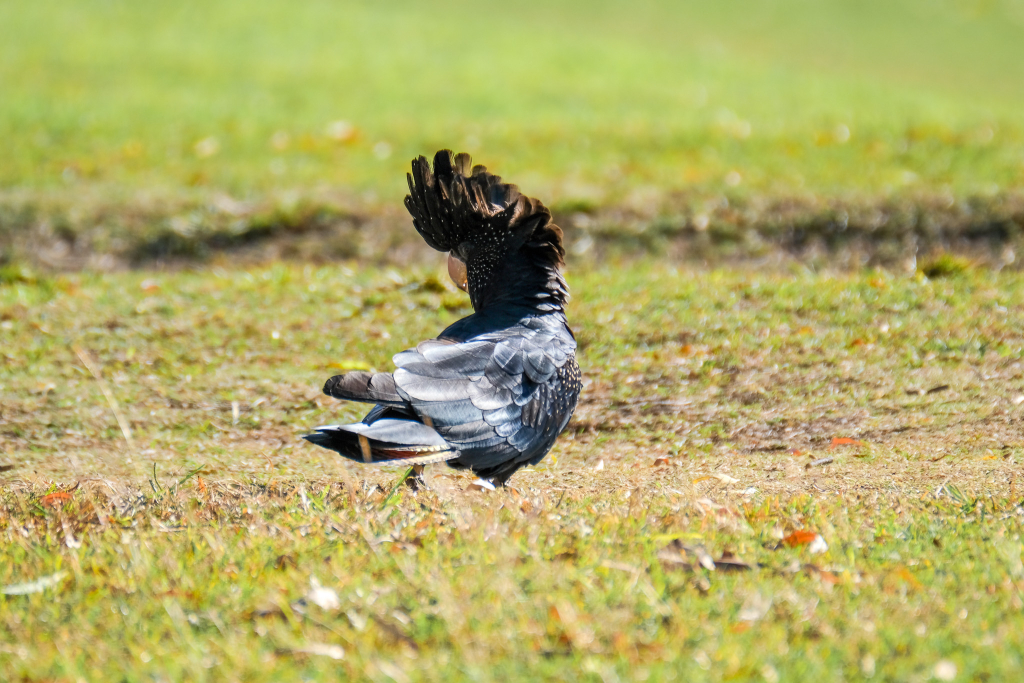
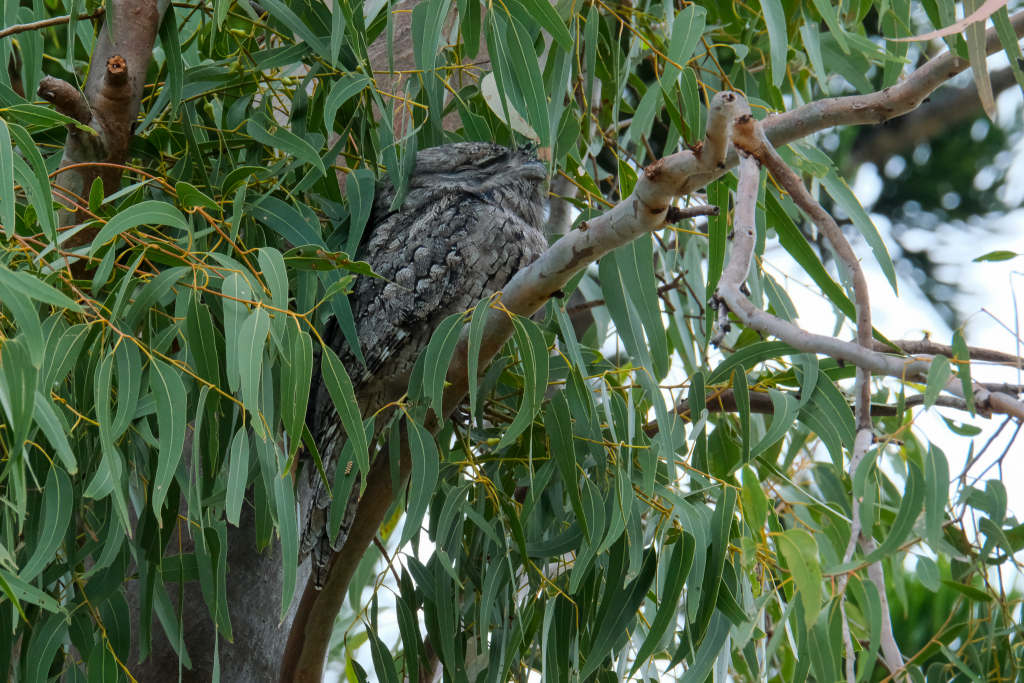
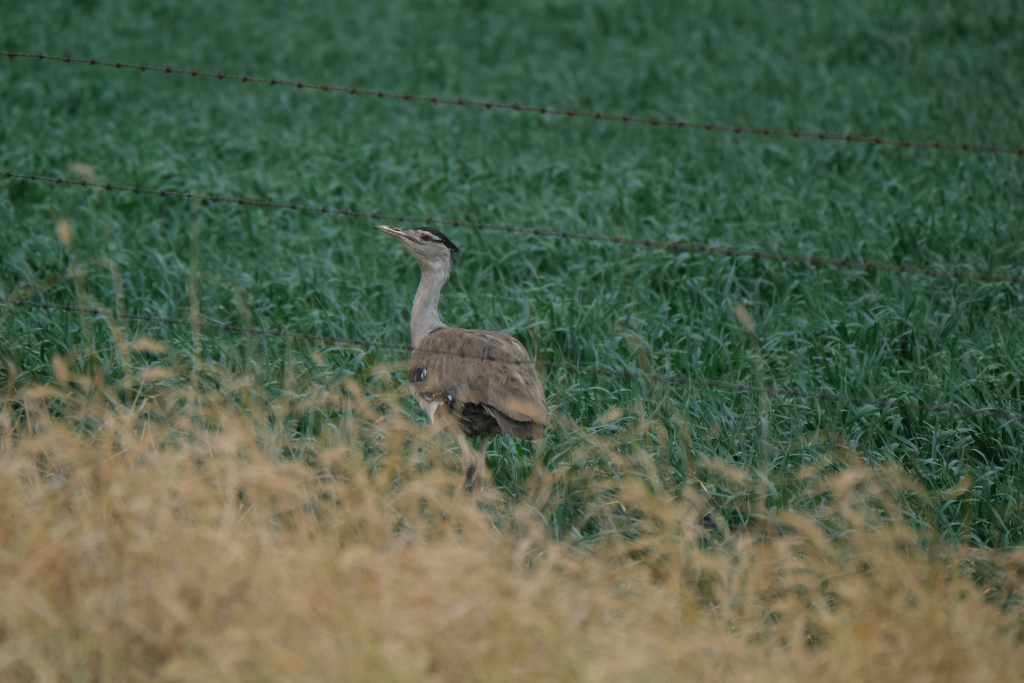
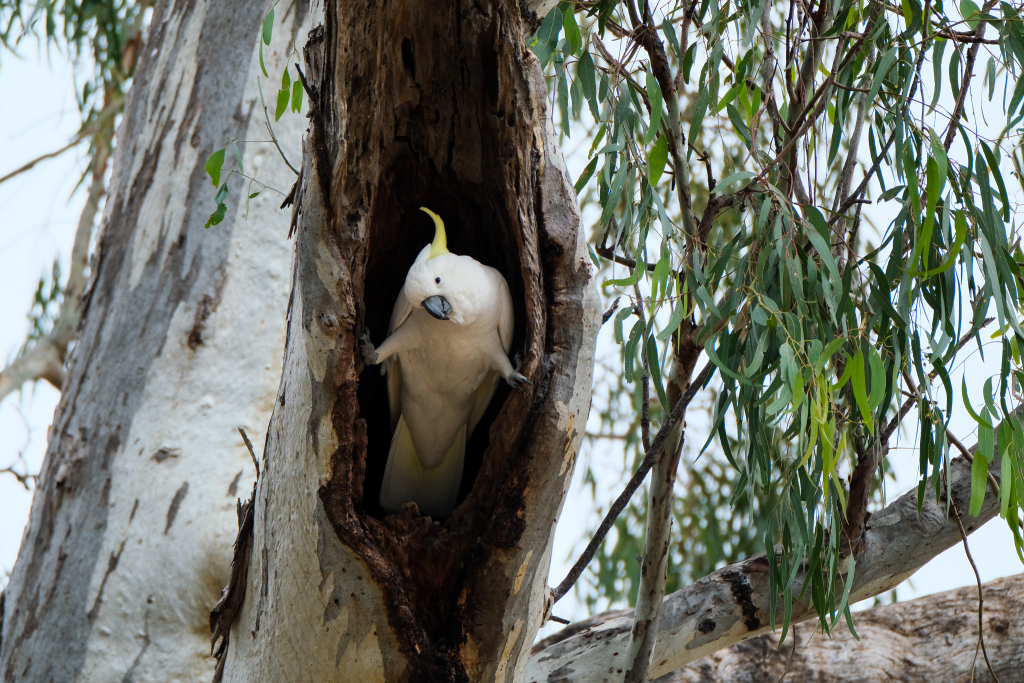
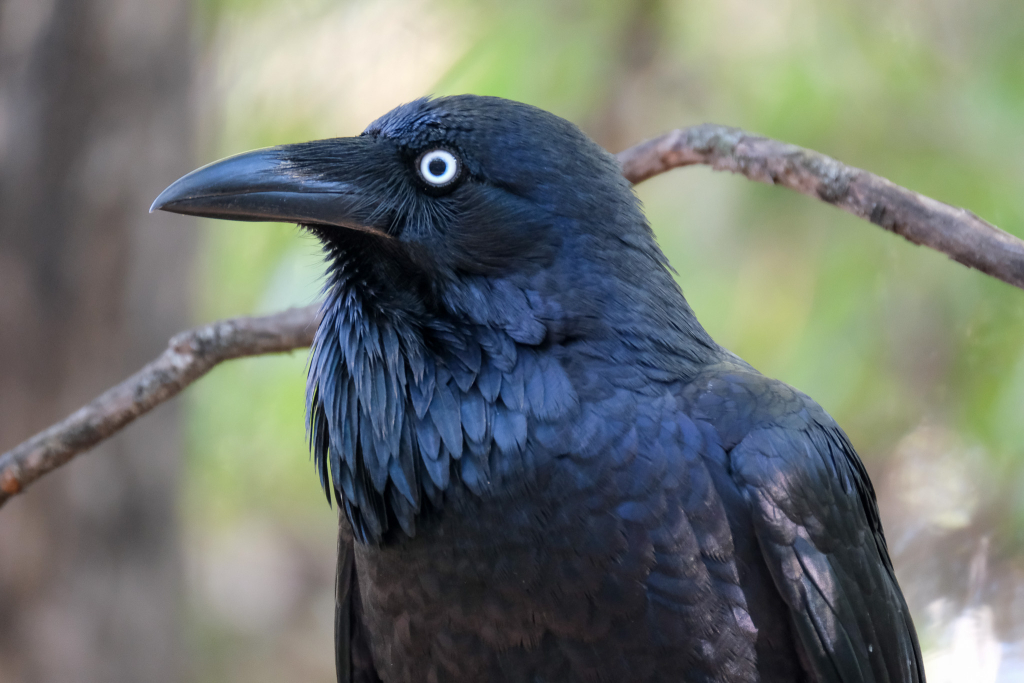
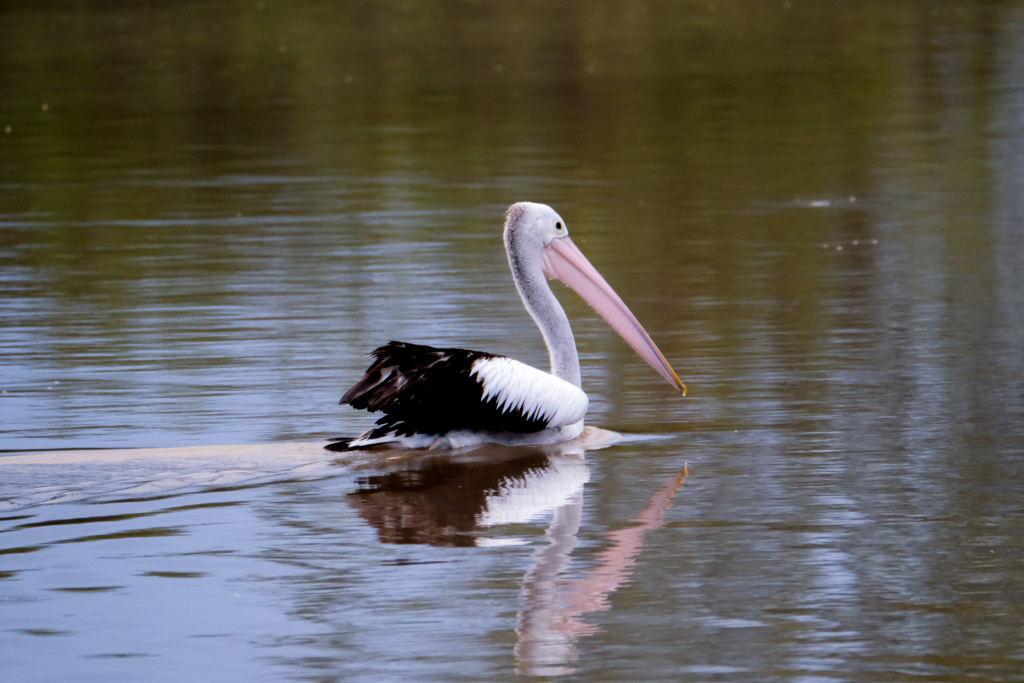
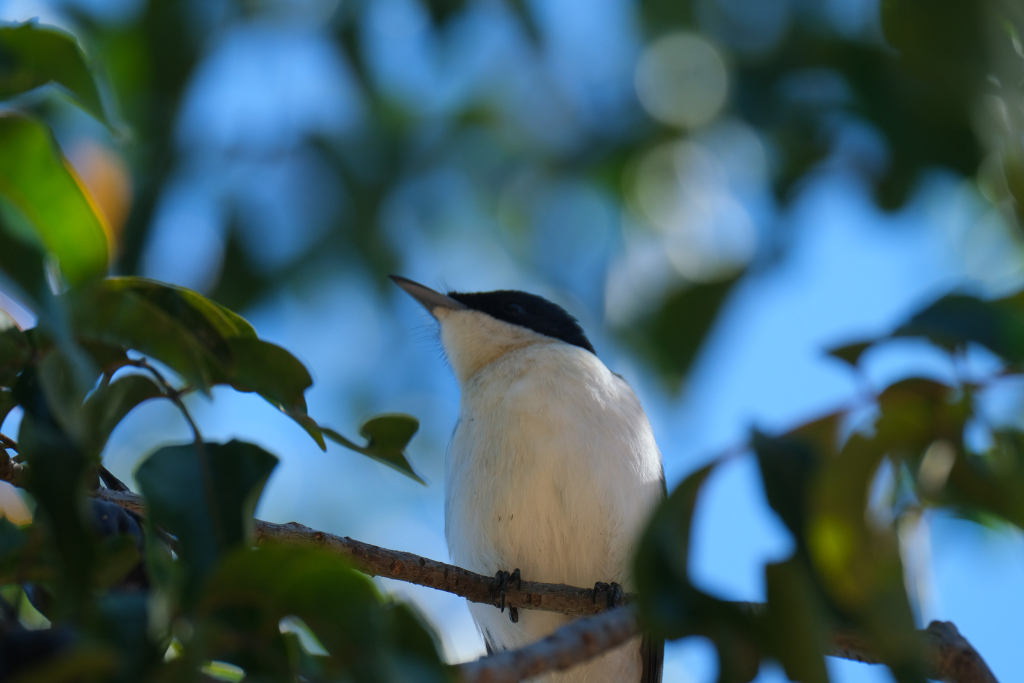
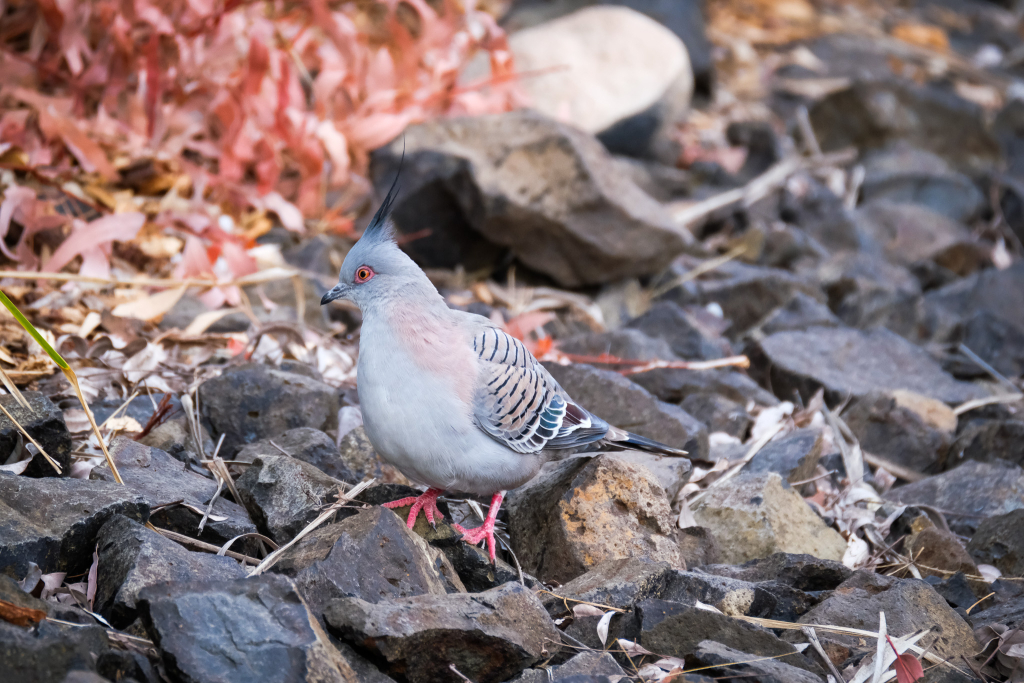
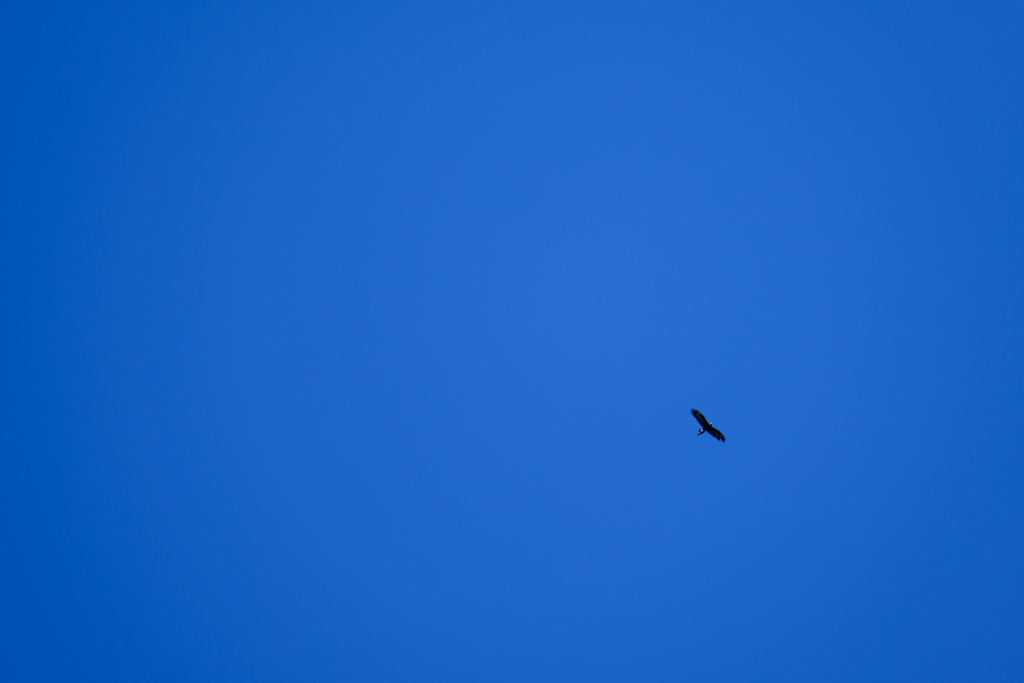
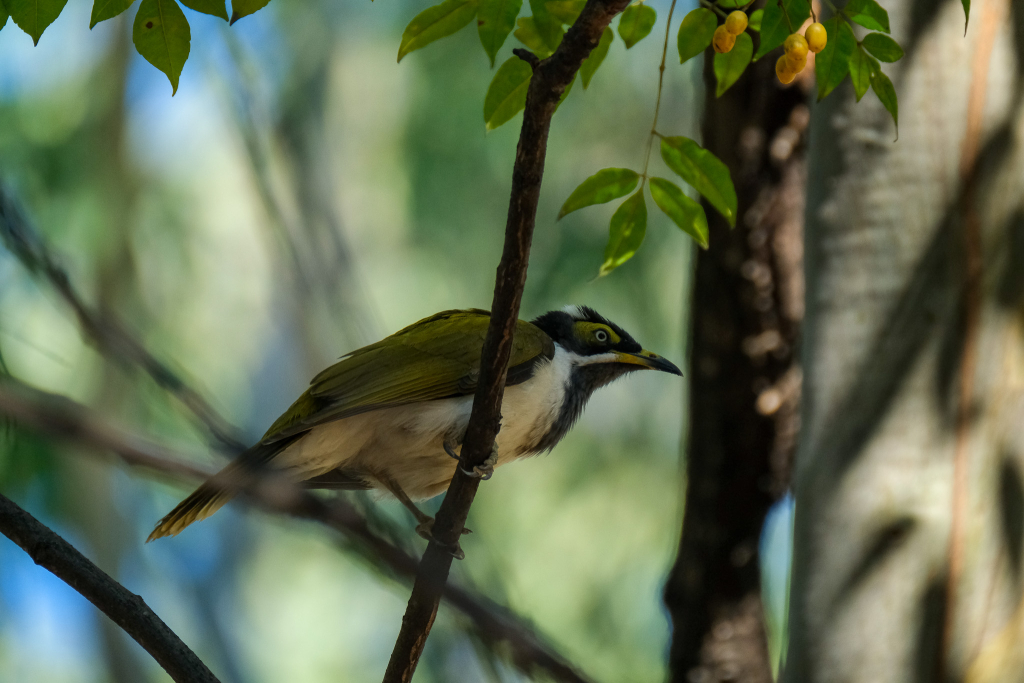
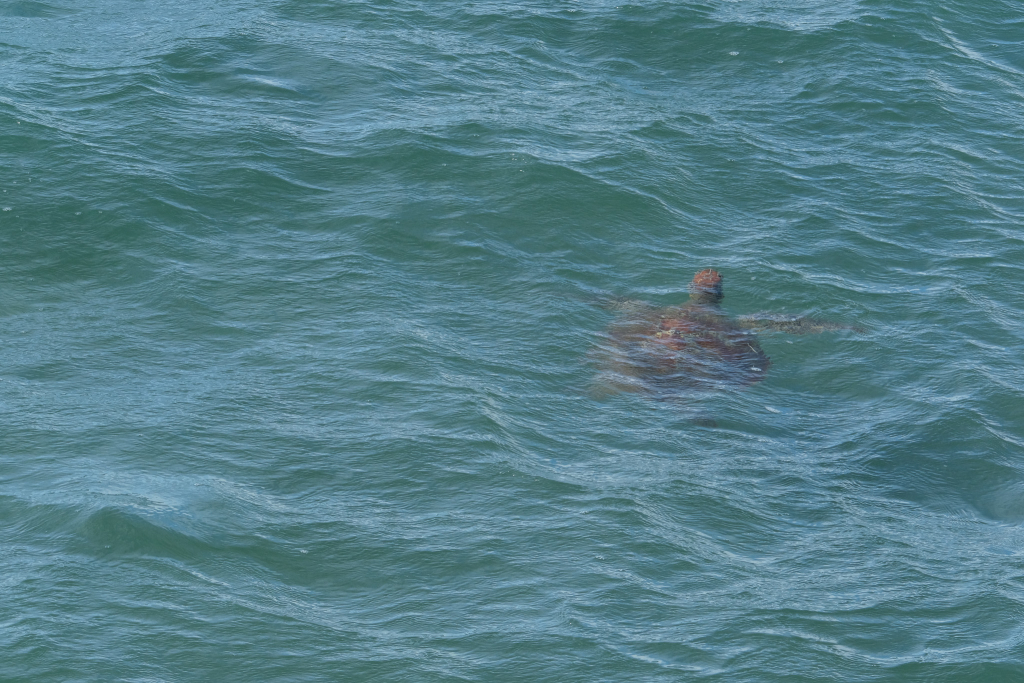
In terms of other wildlife, there were many colourful fish, the platypus, more flying foxes, a white-lipped tree frog and probably more but they were seen either at night or underwater so there aren’t many pictures.

You must be logged in to post a comment.